
Baby Constipation in Lebanon: Signs, Safe Remedies & Foods That Help (0–2 Years)
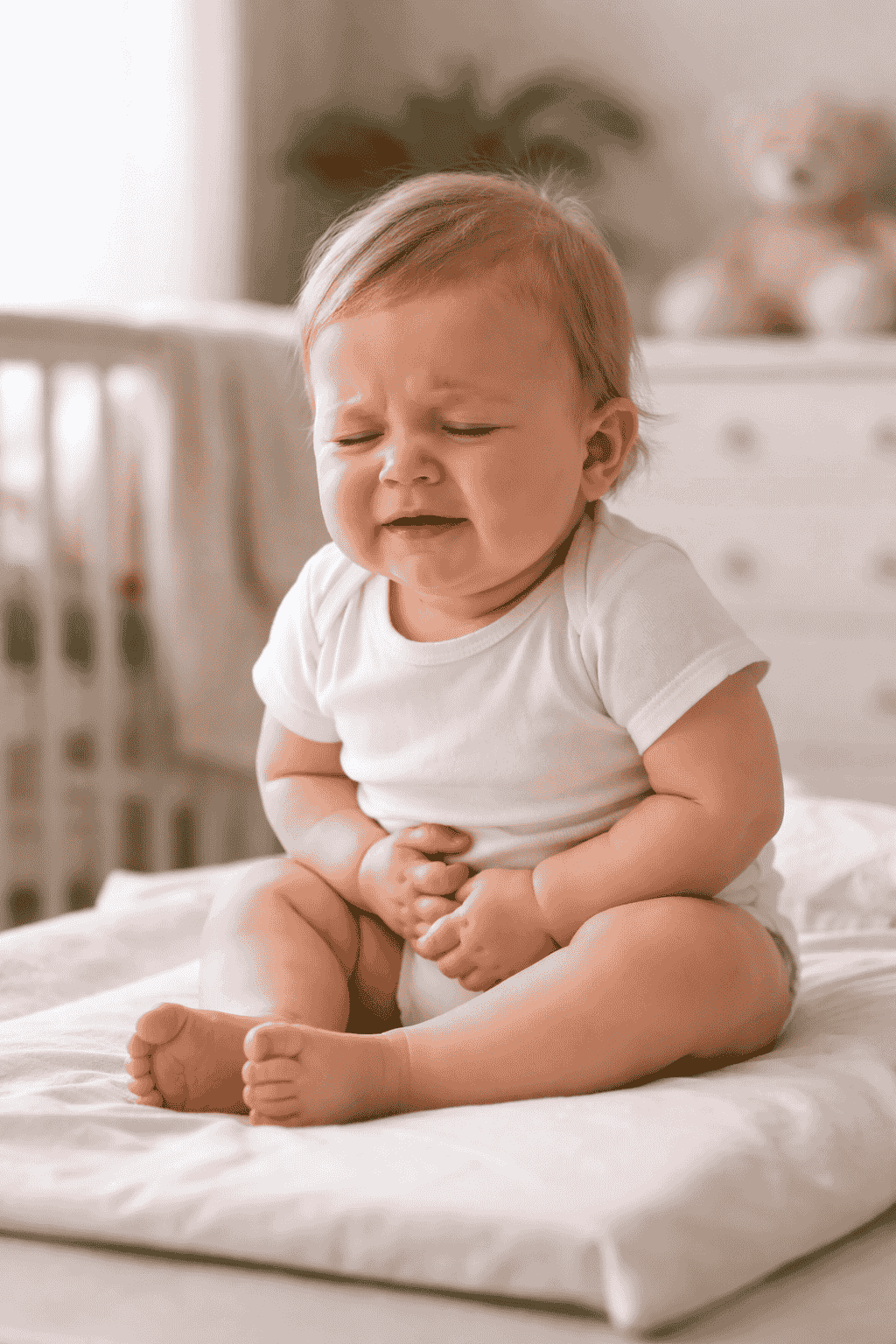
constipated baby
Constipation is one of the most common parent worries—especially when babies switch milk, start solids, or travel. The good news: most cases are temporary and improve with small, safe changes.
This guide covers:
What constipation really is (it’s not only “how many days”)
Quick red flags (when to call the pediatrician)
Gentle home tips
Foods that help (and foods that can worsen constipation)
Important: If your baby seems unwell, has a swollen belly, vomiting, fever, won’t feed, or you see blood in stool—contact your pediatrician promptly.
What counts as constipation?
Constipation usually means hard, dry stools that are painful or difficult to pass—not just fewer dirty diapers.
| Looks like… | Usually normal | More likely constipation |
|---|---|---|
| Pooping less often | Some babies (especially after the newborn stage) poop less often and can still be normal if stools stay soft | Less often plus hard, dry stools and discomfort |
| Straining / grunting | Some straining can be normal in babies | Straining every time + crying or clear pain |
| Stool texture | Soft (like soft clay/peanut butter) | Hard pellets or very dry, large painful stool |
Common causes (very common in Lebanon too)
Switching formula or mixing formula too concentrated
Starting solids (some babies get constipated with rice cereal)
Not enough fiber once solids start (fruits/veg/legumes)
Travel/routine changes (holidays, visits, car time)
Toilet-training stage (toddlers may hold stool
Gentle, safe things you can do at home
For babies (especially early months)
Bicycle legs (move baby’s legs like pedaling)
Gentle tummy massage
Knees-to-chest position to mimic a squat Mayo Clinic
Warm bath can help relax the belly
For babies on solids (6+ months)
Add fiber-rich foods (pears/prunes/apples, vegetables, lentils)
Choose oats/wheat/barley options if rice cereal worsens constipation (every baby is different)
About water/juice
Sometimes clinicians suggest small amounts of water or apple/pear juice for constipation (because of sorbitol). This should be guided by your pediatrician—because general guidance also advises no juice under 12 months for routine drinking.
Red flags: when to call the pediatrician
| Call your pediatrician urgently if… | Why it matters |
|---|---|
| Swollen belly + vomiting or fever | Could signal an illness needing medical assessment |
| Baby won’t eat / unusually tired | Needs urgent advice |
| Blood on stool | Can happen with fissures from hard stool, but still needs guidance |
| Constipation doesn’t improve after a few days of changes | May need medical help or stool softener advice |
Foods that help (Lebanon-friendly)
Foods that help constipation (6+ months)
| Food | Why it helps | Easy way to serve |
|---|---|---|
| Pears / prunes / peaches | Fiber + natural sugars can soften stool | Mash/purée, mix into yogurt/porridge |
| Pumpkin / zucchini / cooked veg | Adds fiber + hydration | Cook until very soft, then mash/blend |
| Lentils (adas) well-cooked | Fiber-rich | Cook very soft → blend smooth |
| Beans/peas (as tolerated) | More fiber | Purée into soups or mash well |
Foods that may worsen constipation (for some kids)
Foods to limit temporarily (if constipation is happening)
| Food | Why | Swap with |
|---|---|---|
| Rice cereal (some babies) | Can be binding for some | Oat-based cereal, fruit/veg purées |
| Lots of dry snacks (toddlers) | Low water + low fiber | Fruit + water + warm soups |
| Too much cheese / low-fiber days | Can worsen stool hardness | Veg, legumes, fruits (pear/prune) |
A simple routine that helps (toddlers)
For toddlers (1–3 years), routine matters as much as food:
Offer water regularly
Add fruits/veg daily
Set a calm toilet “sit” after meals
Encourage movement (even 15 minutes outside helps)
