
Starting Solids at 6 Months in Lebanon: First Foods, Safe Weaning & a 7-Day Meal Plan
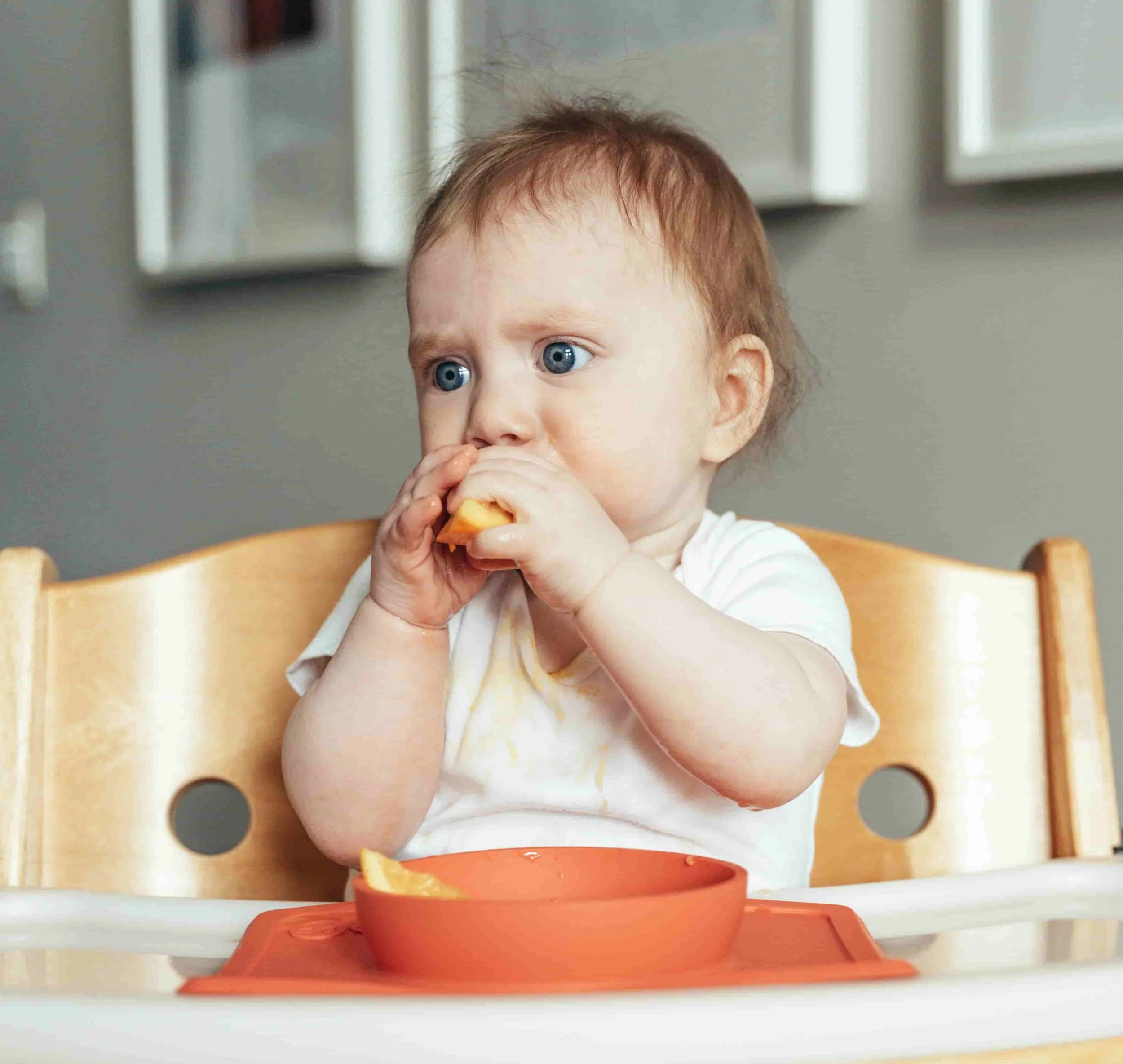
baby eating solids
If you’re a parent in Lebanon, you’ve probably heard a dozen opinions about solids: “Start early,” “Wait,” “Give rice,” “Try BLW,” “Avoid allergens”… It’s a lot.
This guide simplifies everything with a clear weaning schedule, Lebanon-friendly first foods, and tables you can screenshot. (Always check with your pediatrician if your baby was premature, has reflux, eczema, or suspected allergies.)
When should babies start solids?
Most babies are ready for complementary foods around 6 months—when breast milk or formula alone no longer meets all nutrition needs
Signs your baby is ready (look for 3+)
Sits with minimal support and has good head control
Brings objects/food to mouth
Shows interest when you eat
Can move food from spoon to swallow (less tongue-thrust)
The simple “Lebanese parent” approach: Purées + Finger foods (combo is fine)
You don’t have to choose purées vs baby-led weaning (BLW). Many families do a combo: spoon-feeding early textures + safe finger foods at the same meal.
The most important goals:
Iron-rich foods early
Variety over time
Safe textures to reduce choking risk
No added salt/sugar
How often to feed (a practical schedule)
WHO guidance is a helpful baseline for meal frequency
| Age | Meals/day | Snacks | What it looks like |
|---|---|---|---|
| 6–8 months | 2–3 | Optional | Small tastes → gradually bigger portions |
| 9–11 months | 3–4 | Optional | More texture + more variety |
| 12–24 months | 3–4 | 1–2 | Family foods (baby-safe, low salt/sugar) |
Tip for busy days: one “real meal” + one quick option (banana, yogurt, avocado) still counts as progress.
Texture progression (what to serve by age)
| Age | Best textures | Examples (Lebanon-friendly) |
|---|---|---|
| 6 months | Smooth purée → mashed | Sweet potato, pumpkin, zucchini, banana, apple/pear purée |
| 7–8 months | Thicker mash + soft finger foods | Mashed lentils, yogurt, soft omelet strips, soft cooked carrot sticks |
| 9–11 months | Chopped/soft pieces | Small pasta, rice well-cooked, shredded chicken, soft fruits |
| 12+ months | Family foods (modified) | Mujaddara texture softened, vegetable stews, minced kafta (low salt) |
Best first foods for Lebanese babies (start here)
1) Iron-rich foods (top priority)
Iron matters a lot after 6 months.
Lentils (adas), well-cooked and mashed
Meat/chicken, very soft and finely shredded/puréed
Egg (well cooked)
2) Easy fruits & vegetables
Sweet potato, pumpkin, zucchini, carrot (cooked until very soft)
Banana, avocado
Apple/pear (steam and blend at first)
3) Dairy (if pasteurized)
Plain full-fat yogurt is often an easy win (avoid flavored/sugary types).
Choking hazards (what to avoid & how to serve safely)
Choking prevention is about shape + texture + supervision.
| Risky food | Why it’s risky | Safer way |
|---|---|---|
| Whole grapes / cherry tomatoes | Round + slippery | Cut lengthwise into thin quarters |
| Raw carrots / apple chunks | Hard | Steam until soft or grate very finely |
| Nuts | Hard pieces | Use thin nut butter mixed into yogurt/porridge |
| Sausages/hot dogs | Round “coin” shape | Avoid early; if later, cut into thin strips |
| Popcorn, hard crackers | Dry/hard | Skip for babies |
| Large cheese chunks | Can block airway | Offer very small soft pieces or thin strips |
Reminder: Always supervise meals and seat baby upright while eating.
Sugar, salt, and honey (quick safety notes)
Avoid added sugars for babies and toddlers—choose unsweetened foods as much as possible. CDC+1
No honey before 12 months (risk of infant botulism). CDC+1
Keep salt low—especially in packaged foods and cheeses.
Introducing common allergens (simple & cautious)
If your baby has severe eczema or a known allergy, ask your pediatrician before introducing peanuts/egg. Guidance supports early peanut introduction for higher-risk infants with medical input.
| Allergen | When | How (safe starter) |
|---|---|---|
| Egg | Around 6 months (when ready for solids) | Well-cooked egg mixed into mash |
| Peanut | Discuss with pediatrician if high-risk | Thin peanut butter mixed into yogurt/porridge |
| Dairy | Around 6 months (pasteurized) | Plain yogurt / small amounts |
| Wheat | Around 6 months | Soft cooked pasta, bread softened in soup |
| Fish | 6+ months | Boneless, well-cooked, flaked |
Tip: Introduce one new allergen at a time, earlier in the day, and watch for any reactions.
7-Day Lebanon-Friendly Meal Plan (6–7 months)
This is a starter plan: 1–2 meals/day + milk feeds. Adjust textures for your baby.
| Day | Meal idea 1 | Meal idea 2 (optional) |
|---|---|---|
| 1 | Banana + mashed avocado | Pumpkin purée |
| 2 | Sweet potato mash | Plain yogurt + mashed pear |
| 3 | Zucchini + potato purée | Lentil purée (very smooth) |
| 4 | Apple cinnamon purée (no sugar) | Egg (well cooked) mashed into veg |
| 5 | Carrot + pumpkin mash | Yogurt + mashed banana |
| 6 | Lentils + a little rice (very soft) | Soft omelet strips (if ready) |
| 7 | Chicken broth veg purée (blend) | Avocado + yogurt |
Note: This is a starter plan—milk feeds remain the main source of nutrition while solids gradually increase.
Common Lebanese-parent questions
How much should my 6-month-old eat?
Start with a few spoons and build up. The goal early on is learning + exposure, not big portions.
Can I start with BLW only?
You can, as long as foods are soft, baby is ready, and you follow choking-prevention rules. Evidence-based guidance notes choking risk isn’t higher when done correctly.
What if my baby gags?
Gagging can be normal when learning textures (different from choking).
Want to make weaning easier? Start with the basics: a stable high chair, easy-clean bibs, and baby-safe spoons—then build your routine one meal at a time.
